


Topsmead State Forest
Litchfield, CT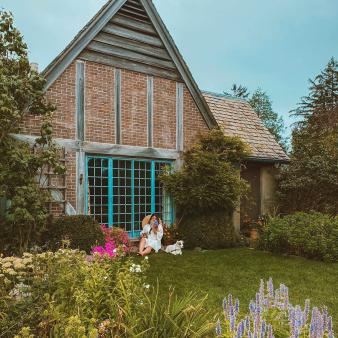



Main (860) 567-5694
Overview
KNOW BEFORE YOU GO
- Buses with more than 30 passengers not allowed at this park
- Trail Map
Forest Management
There are 33 State Forests totaling about 175,000 acres in Connecticut. They are managed by the Department of Energy and Environmental Protection, Division of Forestry. The Division of Forestry seeks to develop a vigorous, resilient, forest environment capable of sustaining the wide range of demands that the public places on these lands. These demands include a variety of recreational experiences, natural diversity (including threatened and endangered species), the preservation of unique sites (both geologic and archaeological), the provision of raw materials as forest products, and the maintenance of wildlife and fisheries habitats. The Division’s professional foresters work to ensure that these forests remain healthy and vigorous while serving the needs of the citizens of Connecticut.
Connecticut’s woodlands offer many benefits and ecosystem services such as:
- Forest Ecosystem Health and Diversity – Healthy and diverse forest ecosystems provide highly functional, valuable, and a resilient mix of habitats for plants and animals.
- Wildlife Habitat – Many of Connecticut’s wildlife species, both common and rare, use different kinds of forested habitats. It is important to create a variety of habitats for animals that have different needs.
- Climate Change Mitigation through Sequestration and Storage – As climate change continues to be an important global issue, Connecticut’s State Forests can mitigate climate change by sequestering and storing carbon in vegetation above and below ground and as long-lived wood products used locally and beyond.
- Environmental Protection – Connecticut’s State Forests provide environmental benefits such as cleaning the air, protecting and improving water quality, and contributing to soil health.
- Forest Protection – Managing Connecticut’s State Forests helps reduce susceptibility to threats such as wildfire, weather events, and invasive plants and insects, keeping them healthy and productive while minimizing spread to neighboring private forestlands.
- Economic Benefits – Sustainably harvesting forest products like timber, firewood, witch-hazel, and maple syrup from Connecticut’s State Forests provides jobs and raw material for a locally-sourced, forest-based, green economy. The State Forests provide a model for private forest landowners to consider when managing their properties.
- Recreational/Health Benefits – Recreation opportunities abound across Connecticut’s State Forest system providing a local and economical way to stay healthy and active for Connecticut’s residents and guests.
View current forest management plans for all state forests.
Hiking
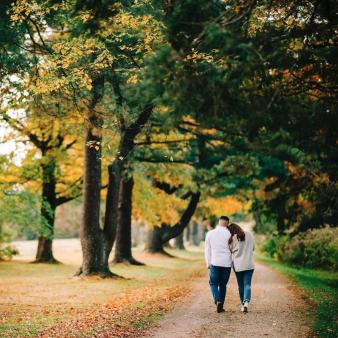
Numerous grails and pathways wind across the estate and are popular for hiking as well as horseback riding, cross-country skiing, snowshoeing. To learn about the park’s ecology, plants, and wildlife, be sure to check out the self-guided Edith Morton Chase Ecology Trail with interpretive signs along all 0.7 miles.
KNOW BEFORE YOU GO
Historic
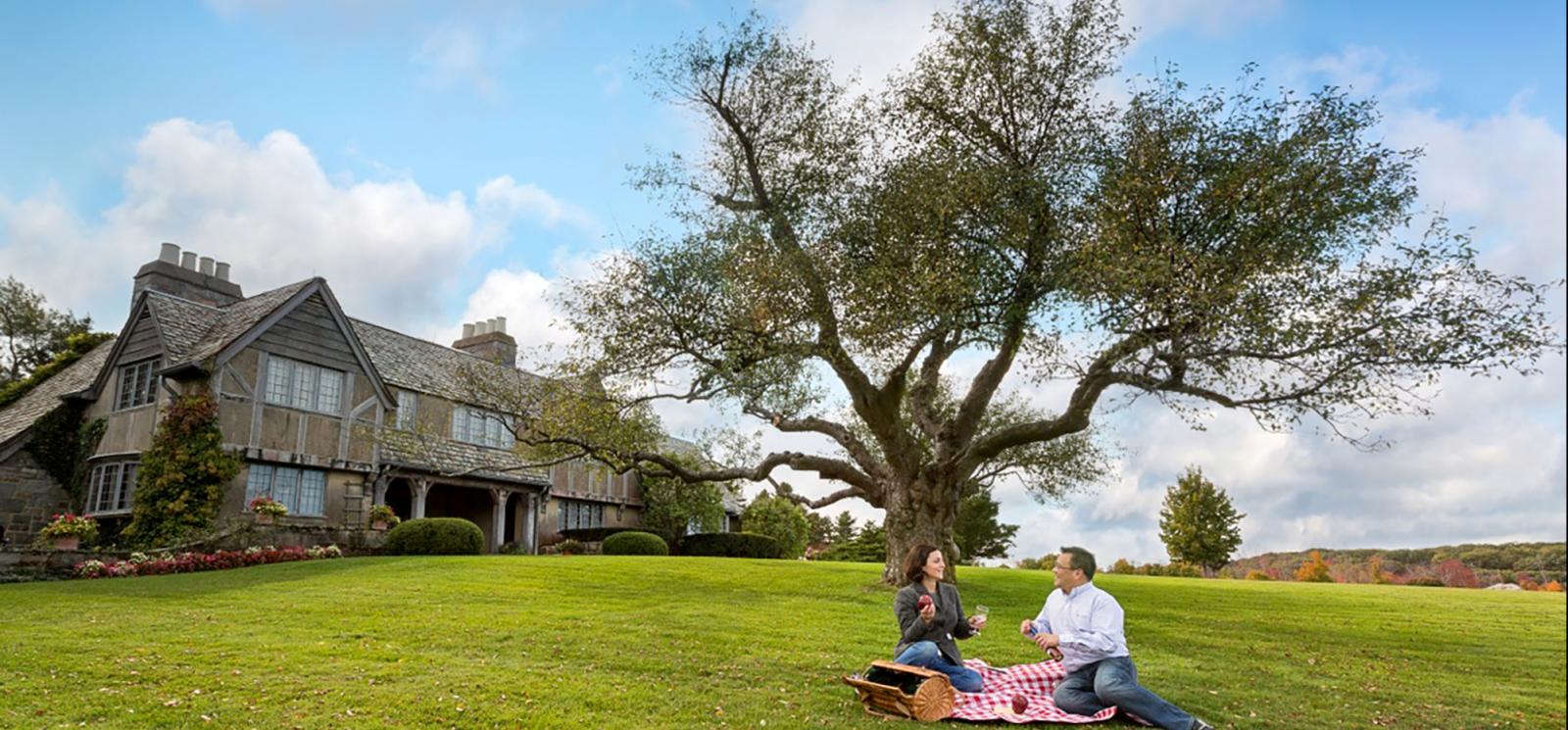
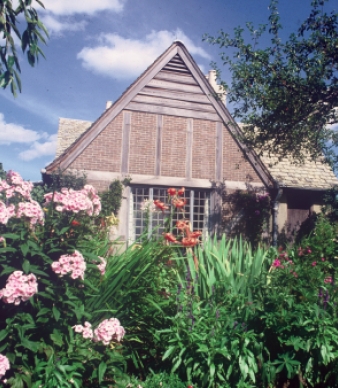
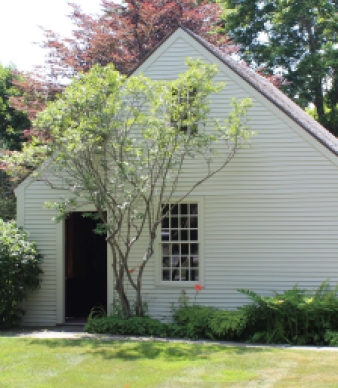
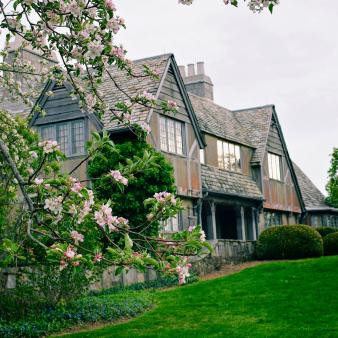
Completed in 1925, the English Tudor Revival cottage was the country estate of Edith Morton Chase. Chase gifted the 510-acre state forest to the citizens of Connecticut. The exterior woodwork is of cypress, the downspouts are lead, the walls of brick and stucco, and the roof is slate. The interior woodwork is oak, as is most of the flooring. The foyer, hallway and dining room floors are of polished terra cotta tile. Most of the interior walls are of the same type of stucco as is found on the exterior. Fine craftsmanship, an eye for detail and understated wealth are evident throughout the house, which is tastefully and simply furnished with 17th and 18th century English country antiques.
Edith Chase shared her summer home with her life-long companions, Mary and Lucy Burrall. The ladies spent the winter months at the Burrall sisters' home on Church Street in Waterbury. Because it was their dream to create a pocket of serenity, the ladies' lifestyle at "Topsmead" was relaxed. Guests were entertained informally.
- Documentary: "Topsmead: One Lady's Legacy"
- Topsmead State Forest is available to rent for wedding ceremonies and gatherings.
Hunting
Park areas north and west of Route 118 are open to public hunting and trapping, with both firearms and archery permitted. Depending on the season, hunting is permitted for:
- Small game
- Waterfowl
- Fall deer/turkey
- Spring and fall firearms turkey
- Muzzleloader deer
- No-lottery shotgun deer
KNOW BEFORE YOU GO
Consult DEEP for more information on the latest rules and restrictions by season.
Nature
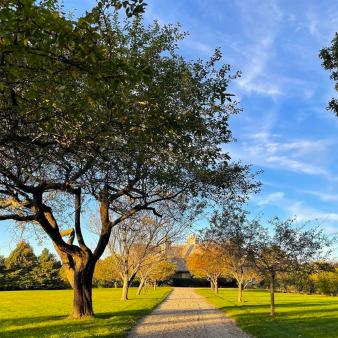
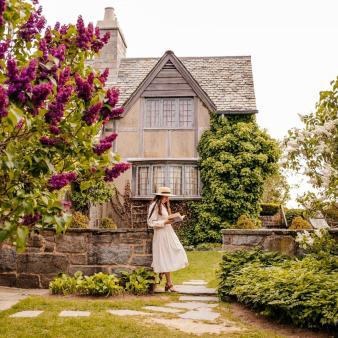
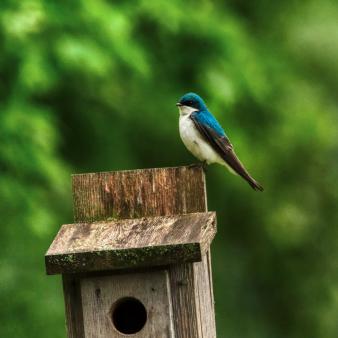
Miss Chase loved the outdoors, and it shows in meticulous care of the landscaping, from the holly, lilac, and juniper plantings surrounding the estate, apple trees lining the drive, the four acres of manicured lawns, to the formal gardens bookending the house to compliment the English Tudor architecture. The park’s glorious natural beauty lures many visitors and is a critical breeding and migration area for the Savanah sparrow, bobolink, bluebirds, and other birds. In fact, the park’s grasslands are designated as an Important Bird Area by the Audubon. Check out the Songbird Trail for prime birdwatching!
THE BUTTERFLY GARDEN
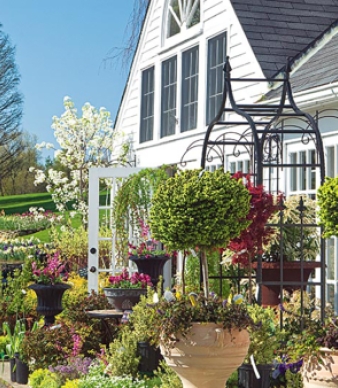
Thanks to the restoration efforts and diligent maintenance of the Friends of Topsmead State Forest, the Orintas Family Butterfly Garden is a spectacular island of native flowers and plants, drawing a steady stream of beneficial pollinators — and admirers.
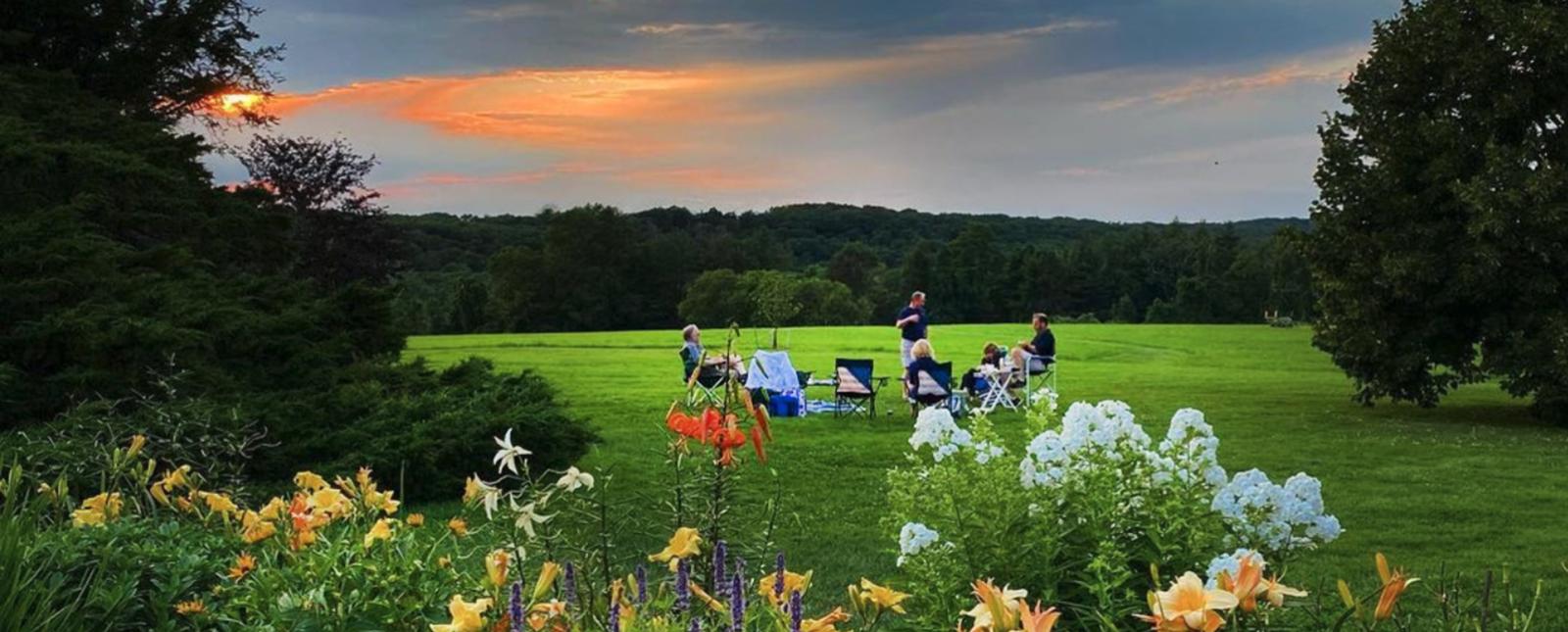
Picnicking
Tour
COTTAGE TOURS
CT State Parks staff and Friends of Topsmead State Forest offer free 30-minute tours from June through October on the 2nd and 4th weekends of each month. Reservations are not required. On open weekends, tours are available from 11 a.m. – 4 p.m.
Winter
Winter Activities include snowshoeing, hiking, and cross-country skiing.
Additional Park Info
Free
Parking
All-Terrain Wheelchairs (advance reservations required)
Picnic Areas & Hiking Trails
Yes, on leash