



Massacoe State Forest
Simsbury, CTMain 860-242-1158

Overview
KNOW BEFORE YOU GO
Biking
Fishing
Forest Management
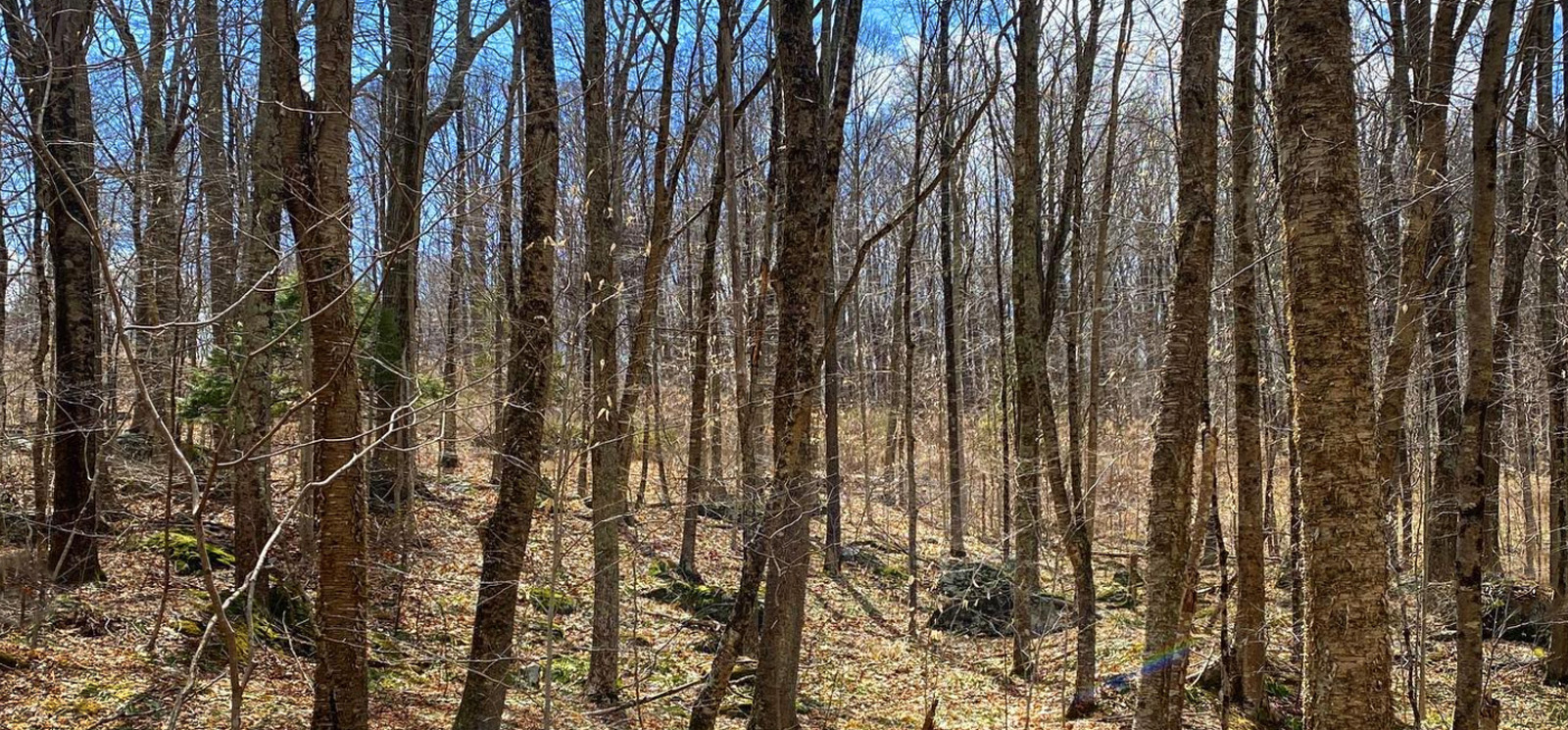
There are 33 State Forests totaling about 175,000 acres in Connecticut. They are managed by the Department of Energy and Environmental Protection, Division of Forestry. The Division of Forestry seeks to develop a vigorous, resilient, forest environment capable of sustaining the wide range of demands that the public places on these lands. These demands include a variety of recreational experiences, natural diversity (including threatened and endangered species), the preservation of unique sites (both geologic and archaeological), the provision of raw materials as forest products, and the maintenance of wildlife and fisheries habitats. The Division’s professional foresters work to ensure that these forests remain healthy and vigorous while serving the needs of the citizens of Connecticut.
Connecticut’s woodlands offer many benefits and ecosystem services such as:
- Forest Ecosystem Health and Diversity – Healthy and diverse forest ecosystems provide highly functional, valuable, and a resilient mix of habitats for plants and animals.
- Wildlife Habitat – Many of Connecticut’s wildlife species, both common and rare, use different kinds of forested habitats. It is important to create a variety of habitats for animals that have different needs.
- Climate Change Mitigation through Sequestration and Storage – As climate change continues to be an important global issue, Connecticut’s State Forests can mitigate climate change by sequestering and storing carbon in vegetation above and below ground and as long-lived wood products used locally and beyond.
- Environmental Protection – Connecticut’s State Forests provide environmental benefits such as cleaning the air, protecting and improving water quality, and contributing to soil health.
- Forest Protection – Managing Connecticut’s State Forests helps reduce susceptibility to threats such as wildfire, weather events, and invasive plants and insects, keeping them healthy and productive while minimizing spread to neighboring private forestlands.
- Economic Benefits – Sustainably harvesting forest products like timber, firewood, witch-hazel, and maple syrup from Connecticut’s State Forests provides jobs and raw material for a locally-sourced, forest-based, green economy. The State Forests provide a model for private forest landowners to consider when managing their properties.
- Recreational/Health Benefits – Recreation opportunities abound across Connecticut’s State Forest system providing a local and economical way to stay healthy and active for Connecticut’s residents and guests.
View current forest management plans for all state forests.
Hiking
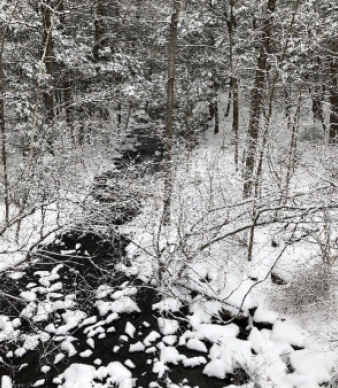
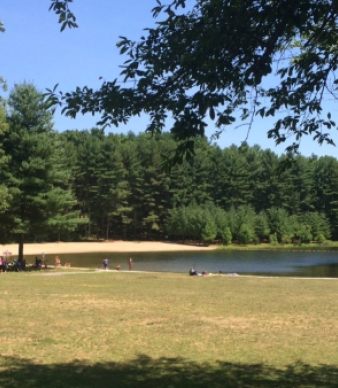
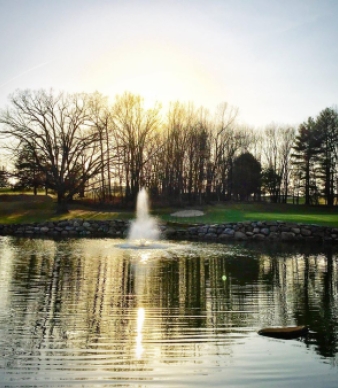
In the midst of suburban development, Great Pond’s 297 acres of open space are a welcome relief. Here nearly five miles of trails help you explore the relatively flat, quiet woodlands and provide access to Great Pond itself which, at 36 1/4 acres, is Simsbury’s largest open water body. And it isn’t by accident it is preserved today. A network of trails probes the 297 acres. The most popular is the pond loop trail which, at 1.25 miles, is a generally flat and easy to negotiate pathway.
Nature
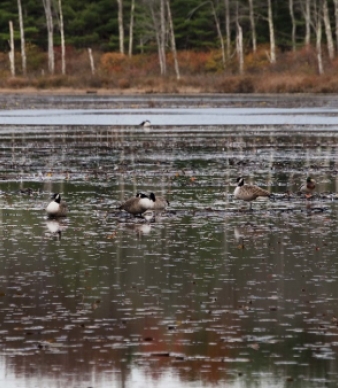
Bird watching has been popular here as the pond increasingly attracts resident and migratory populations of birds and waterfowl. Spring and fall are particularly popular.
Additional Park Info
Free
N/A
Yes, on leash