


Housatonic State Forest
Sharon, CT



Main (860) 927-3238
Overview
KNOW BEFORE YOU GO
- Buses seating more than 30 passengers are not allowed at this park
- Trail Map
- Campground Map
ACCESS POINTS
The forest includes five distinct sections or “blocks”, each with different access points:
- Mine Mountain Block: Access via the Appalachian Trail.
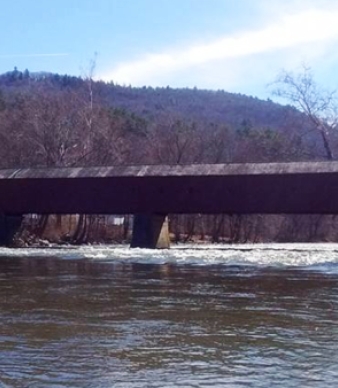
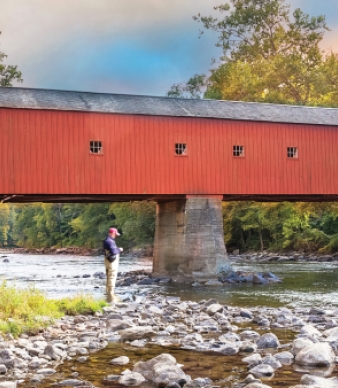
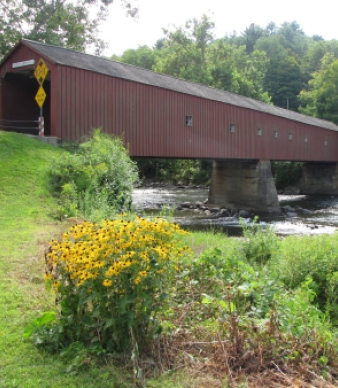
- Sharon Mountain Block: From the junction of Route 7 and Route 128 in West Cornwall (opposite the Cornwall covered bridge), turn north on Route 7 and take an immediate left on West Cornwall Road. Follow 3.6 miles to the forest entrance on the right.
- Cream Hill Block: From the junction of Route 7 and Route 128 in West Cornwall, proceed east on Route 128 for 0.2 mile (passing through the covered bridge). Turn left on River Road and follow for 3.9 miles. Turn right on Music Mountain Road and follow 0.9 miles to the parking area on the left.
- Canaan Mountain Block: Access via Beckley Furnace State Park.
- Gold's Pines Block: From the junction of Route 128 and Route 125 in Cornwall, proceed west on Route 128 for 1.1 miles to the forest entrance on the left.
Biking
Camping
BACKPACK CAMPSITE AND SHELTERS
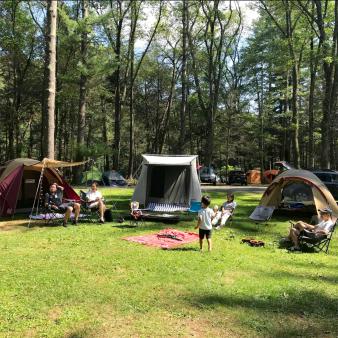
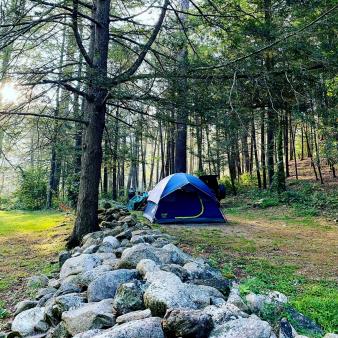
Head into the backcountry and stay in one of the park’s two backpacking campsites along the Mohawk Trail — once part of the Appalachian Trail, before it was rerouted to the west side of the Housatonic. Sites available by reservation only. To reserve a permit, submit your application at least two weeks before your intended stay.
Forest Management
There are 33 State Forests totaling about 175,000 acres in Connecticut. They are managed by the Department of Energy and Environmental Protection, Division of Forestry. The Division of Forestry seeks to develop a vigorous, resilient, forest environment capable of sustaining the wide range of demands that the public places on these lands. These demands include a variety of recreational experiences, natural diversity (including threatened and endangered species), the preservation of unique sites (both geologic and archaeological), the provision of raw materials as forest products, and the maintenance of wildlife and fisheries habitats. The Division’s professional foresters work to ensure that these forests remain healthy and vigorous while serving the needs of the citizens of Connecticut.
Connecticut’s woodlands offer many benefits and ecosystem services such as:
- Forest Ecosystem Health and Diversity – Healthy and diverse forest ecosystems provide highly functional, valuable, and a resilient mix of habitats for plants and animals.
- Wildlife Habitat – Many of Connecticut’s wildlife species, both common and rare, use different kinds of forested habitats. It is important to create a variety of habitats for animals that have different needs.
- Climate Change Mitigation through Sequestration and Storage – As climate change continues to be an important global issue, Connecticut’s State Forests can mitigate climate change by sequestering and storing carbon in vegetation above and below ground and as long-lived wood products used locally and beyond.
- Environmental Protection – Connecticut’s State Forests provide environmental benefits such as cleaning the air, protecting and improving water quality, and contributing to soil health.
- Forest Protection – Managing Connecticut’s State Forests helps reduce susceptibility to threats such as wildfire, weather events, and invasive plants and insects, keeping them healthy and productive while minimizing spread to neighboring private forestlands.
- Economic Benefits – Sustainably harvesting forest products like timber, firewood, witch-hazel, and maple syrup from Connecticut’s State Forests provides jobs and raw material for a locally-sourced, forest-based, green economy. The State Forests provide a model for private forest landowners to consider when managing their properties.
- Recreational/Health Benefits – Recreation opportunities abound across Connecticut’s State Forest system providing a local and economical way to stay healthy and active for Connecticut’s residents and guests.
View current forest management plans for all state forests.
Hiking
Find letterboxing clues to enjoy during your hike.
Hunting
Multi- Use Trails
Picnicking
Winter
SNOWMOBILING
Pass through some of the more rugged Connecticut hills along this 10.6-mile trail with opportunities to challenge the beginner as well as the expert. Offering several excellent vistas, Clay Beds Road is the site of a historic mining operation. Please use caution in the Mount Easter section as many wildlife food plots are located here and are easily damaged by snowmobile compaction.
Find the snowmobile trailhead on Mount Easter Road, the gravel road off West Cornwall Road (Caulkintown Road), just beyond Miles Pond.
Additional Park Info
Free
N/A
Yes, on leash